Regardless, I’ve decided to use the latest version of D&D (Fifth Edition, released in 2024) as my core roleplaying system. But as I mentioned in a previous post, I’ve dived headfirst into homebrewing this edition to address what I consider the system’s six major weaknesses (see my earlier posts here and here).
Before diving in, let’s tackle the first question that always comes up when you start homebrewing: “Why bother homebrewing instead of just switching to another system?”
Despite what some might think, homebrewing is actually faster than learning a completely new system from scratch. Truly understanding how a system works—and being able to compare it fairly to D&D—takes time. Learning Fifth Edition took me almost a year, and honestly, even now, I can’t remember all those new spells and abilities. It’s a lot to take in for someone coming straight from Second Edition.
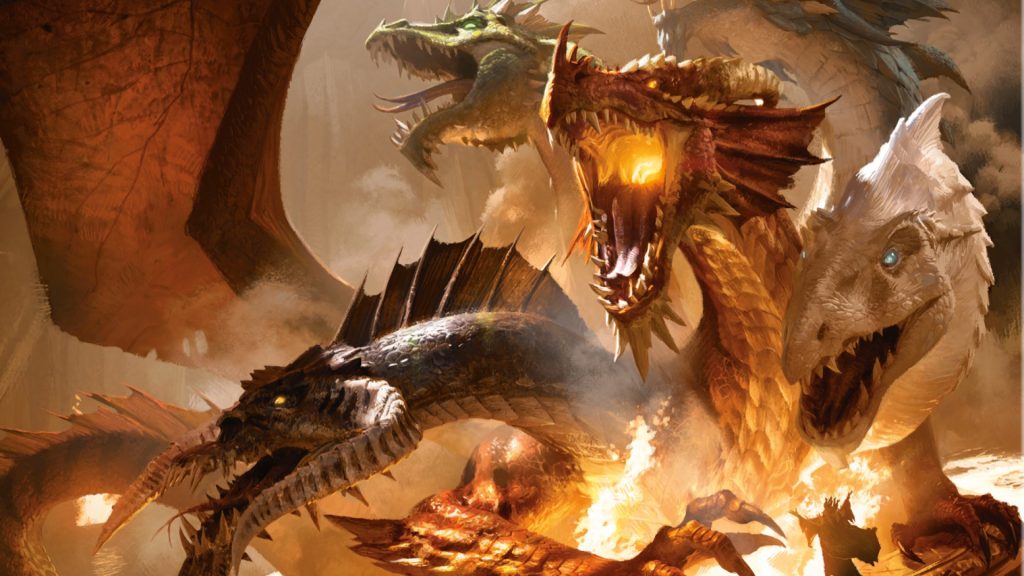
The main changes I’m introducing aim to rebalance classes and subclasses, make spellcasting less predictable and more interesting, and make combat feel truly dangerous again. Entering combat should never be easy; players should always feel that survival is hard-earned.
At the bottom of the page, you’ll find a PDF with all the changes I’m implementing in my games. Below is a brief summary of the key areas I’m tweaking. This Version 0.1 doesn’t yet include the subclass overhaul, which is still ongoing and will be available for future games, but for now, I’m happy with it.
- Restricted playable races and their access to classes and subclasses.
- Reworked the Revive and Die mechanics.
- Made combat more unpredictable with flanking, backstabbing, and rolling initiative each round.
- Casting a spell is no longer guaranteed, even with all the correct components.
- Adjusted some problematic spells, including area damage spells, Counterspell, and Identify.
Here is the PDF of my D&D campaigns with homebrew rules: download
Visit us on Social Media: