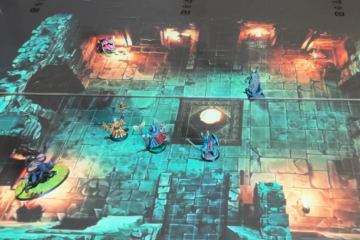
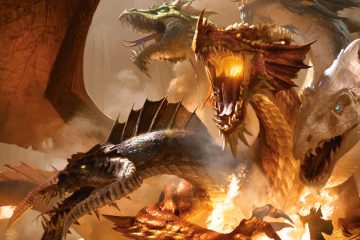
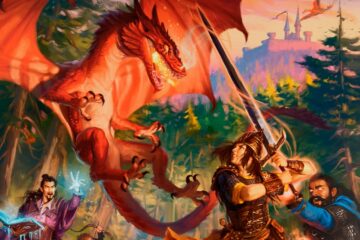
Is now about a year that I’m back roleplaying with D&D 5ed1 as player and dungeon master. I started wondering why this version feels so different from the games I used to play years ago. And I found that: characters are overpowered, the classes have silly abilities, and spellcasting is too easy and widespread. After a several sessions, I think I found the answer, it lies in how much the culture of role-playing has evolved.
Old-school players grew up with a different mindset. Back then, the game was a test of ingenuity and survival. Your character was fragile, the world was dangerous, and your success depended more on player skill than on numbers on a sheet. You didn’t solve a problem by rolling dice but by describing clever tactics, probing for details, and taking real risks. Death was always possible, but that made every victory meaningful.
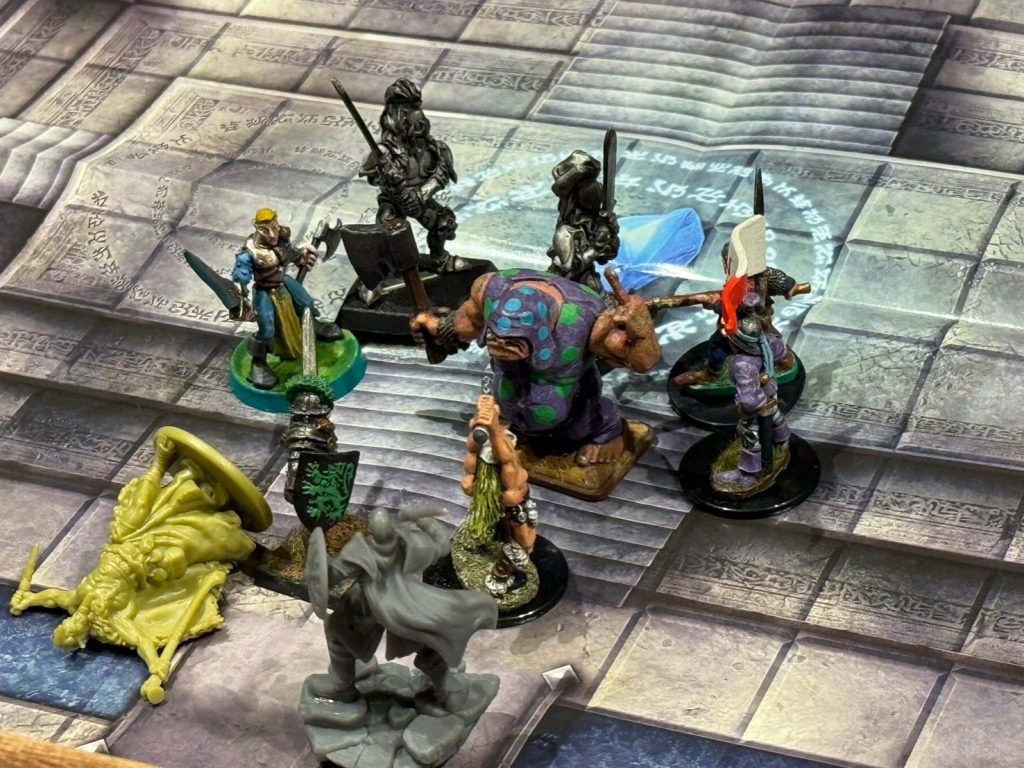
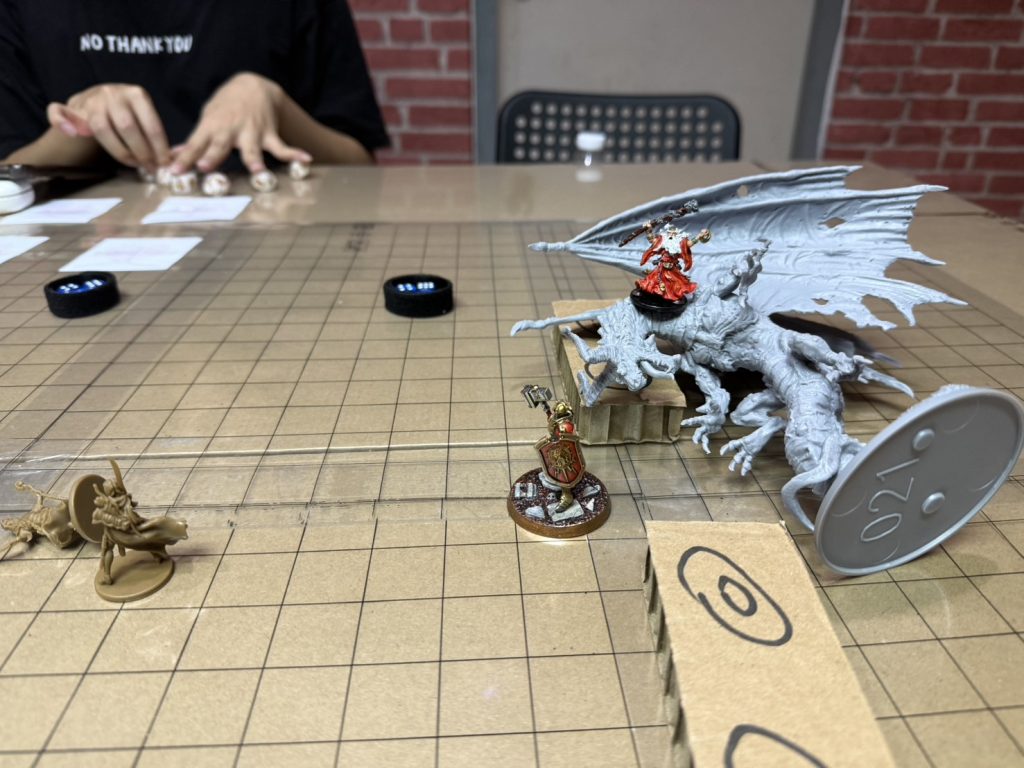
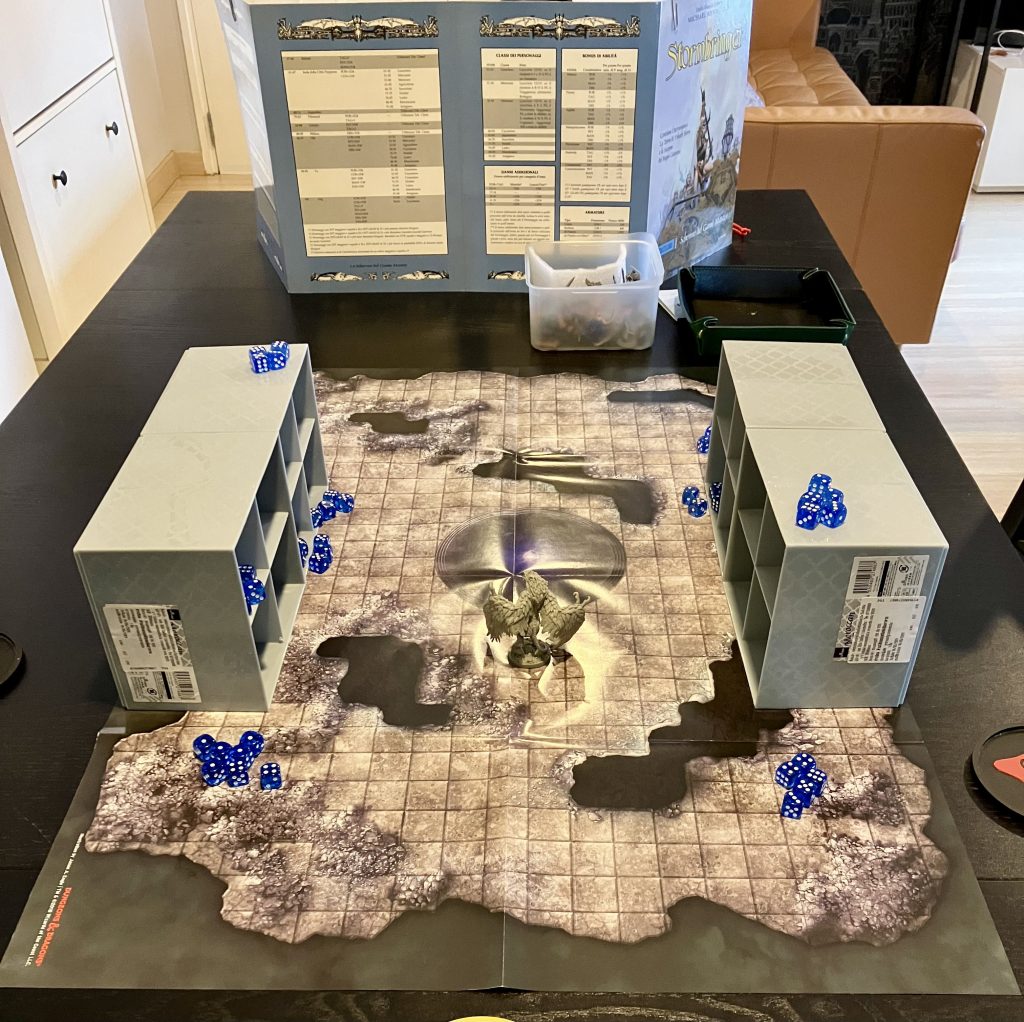
Modern players, especially those who started with 5e, often approach the game from another perspective. Combat is balanced in a way that the characters always have a wide range of powers and skills to overcome any enemy. The system provide a structured framework, and it’s less about surviving the dungeon, and more about feeling powerful and overcoming challenges with style.
Modern players are also more self-focused. Everyone wants to be the hero of the story, and teamwork often takes a back seat. You are either in or out (there’s less middle ground). They tend to follow the rules RAW (Rules As Written) as a fundamental principle, relying on mechanics rather than improvisation. Creativity is more often expressed within those limits, rather than beyond them.
Gen Y and Gen Z players grew up in a different world. They already have everything, and they don’t feel the need to struggle. Many seek meaningful activities rather than mere survival. Raised in a modern, protected environment where parents provided for every need, they tend to prefer comfortable, predictable systems. It doesn’t matter how complicated the rules are, as long as there are clear rules that guarantee predictability.
What has changed is not only the rules but the philosophy behind them. DMs once acted as referees, impartial and ruthless, letting the world unfold as it would. Today, they are more like facilitators, crafting balanced encounters and ensuring everyone has fun. The “game” has always been tied to nerd culture, and as that culture expanded, the game spread with it. In recent years, it has taken another step forward becoming glamorous and iconic, attracting more and more people. But glamour brings different expectations: people now look for style, recognition, and belonging as much as adventure. They expect visually striking characters, cinematic stories, and emotional moments they can share online. The game becomes less about danger or discovery and more about performance, identity, and connection.
Still, as someone who remembers the thrill of barely surviving a dungeon crawl, I miss the raw tension of the older days. I miss when casting a spell was difficult and meant real commitment, and a single bad decision could end the adventure. Modern D&D is fun, accessible, and vibrant, but it sometimes feels like the edges have been softened too much.
Maybe the best path forward is balance: keeping the narrative richness of 5e but reintroducing some of the challenge, danger, and unpredictability that made earlier editions unforgettable. After all, the magic of role-playing isn’t in the rules—it’s in how we choose to play them.
Post available also on LinkedIn
Other posts of this series are available here:
- Dungeons & Dragons Culture Evolution
- What’s the difference between Board Games, Miniature Games, and Role-playing Games?
Visit us on Social Media:
- Here I’m referring to the 2024 Edition, aka 5.5ed. ↩︎