My quest to rediscover the original spirit of role-playing continues. Being away from this passion for so many years forced me first and foremost to relearn how to play. Learning is mostly technical: rules, mechanics, and procedures. And now I’m entering a new phase: I’m remembering how I used to play and what I truly enjoyed. Remembering goes deeper. It brings to mind the why, the spirit, the intention, the feeling that made those games meaningful to me in the first place.
I still love old-school role-playing. The original spirit of adventure in a fantasy world filled with magic and fantastic creatures, both beautiful and terrifying. It was all about danger, survival, mystery, and discovery. In its earliest form, role-playing wasn’t about power, but about endurance and curiosity. Every torch mattered. Every decision mattered. The unknown was something to be feared and respected.
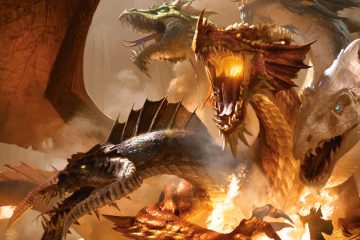
Over time, the RPGs audience broad and the game evolved. Characters became cooler, stronger, and safer. Healing is abundant, damage is high even at low levels, and systems often guarantee survival through any danger. Mystery and risk gave way to optimization and efficiency. Classes and species became collections of abilities rather than identities. A bard is no longer first an artist and performer, a cleric no longer is a priest, a ranger no longer is a master of the wilderness.
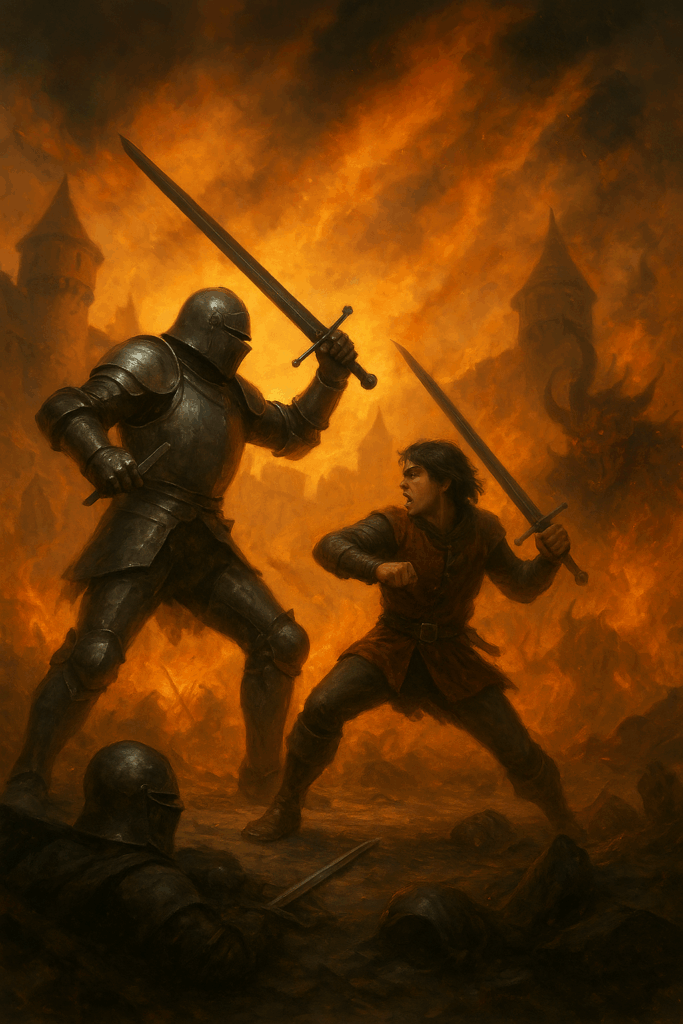
This is not nostalgia, it’s intentional design philosophy. Fantasy role-playing for me is not about becoming extraordinary so the world bends to you; it is about entering an extraordinary world and learning how to live within it.
Role-playing games don’t have a single inventor, and the concept of role-playing existed before that; however, the modern role-playing game as we know it today was created in the early 1970s by Gary Gygax and Dave Arneson. Drawing on narrative traditions, mythology, fantasy literature (Tolkien, Howard, Leiber), and 19th- and 20th-century wargames, they created Dungeons & Dragons, the first true role-playing game, and launched the hobby we know today.
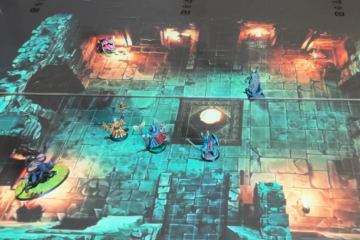
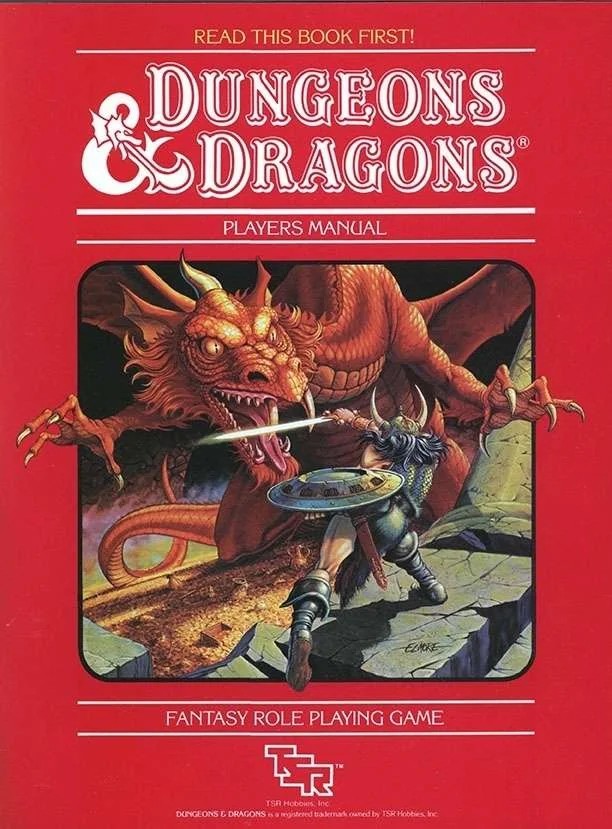
The original setting and spirit of the first tabletop RPG (Dungeons & Dragons, 1974) were clear: underground dungeons, ruins, monster lairs, lost fortresses. Adventure and danger defined play. Exploration meant high risk and low safety. Characters were fragile; death was common and expected. Retreat, negotiation, and clever tricks were encouraged over combat. Treasure mattered more than heroism. Characters were adventurers, mercenaries, and scoundrels—brave fools delving into dangerous places for gold and glory, guided by imagination, rulings over rules, and the thrill of the unknown.
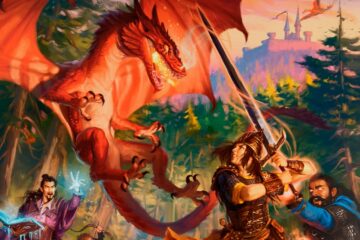
Today, the spirit has shifted toward narrative, cool heroes, and safer environments designed to appeal to a new generation. Influenced by video games, movies, and novels, with protagonist protection and clear heroes and villains. Survivability increased to the limit: abundant healing, self-healing, and safety nets. Play moved toward collaborative storytelling where the Game Master is a facilitator, rather than a judge.
Modern RPGs focus on accessibility for new players, using only tension, rather than real risks and real problem solving. Focus moved from player cleverness to character competence, and character abilities over player ingenuity:
- Old play: “I approach the door, without touching it, and check for traps.”
- Modern play: “I roll Investigation on the door.”
At the end everything turn around the right question “What kind of experience do I want to have?”
- I want the experience of entering a dangerous and wondrous world that does not bend to me.
- I want to feel small in a vast fantasy land filled with beauty and terror. I want mystery, not certainty; risk, not guarantees. I want survival to matter, and success to be earned through caution, cleverness, and cooperation.
- I want alive and memorable characters, not collections of abilities. I want a bard who is first a performer, a cleric who is first a priest, a ranger who knows the land because the land can kill him if he doesn’t.
- I want discovery to be the greatest reward: learning how the world works, respecting its dangers, and uncovering its secrets one careful step at a time. I want failure to be possible, retreat to be wise, and victory to feel rare and meaningful.
Above all, I want the wonder to come from the world itself, from the challenges I face, and the hard-earned success won through wit and cunning.

If you like the article and you want more article about this topic check here:
- What’s the difference between Board Games, Miniature Games, and Role-playing Games?
- Dungeons & Dragons Culture Evolution
- Dungeons & Dragons 5th Edition is broken
- Old-School Vs Modern RPG Players
Visit us on Social Media: